Superfoods Explained: What to Look for in a Healthy Smoothie
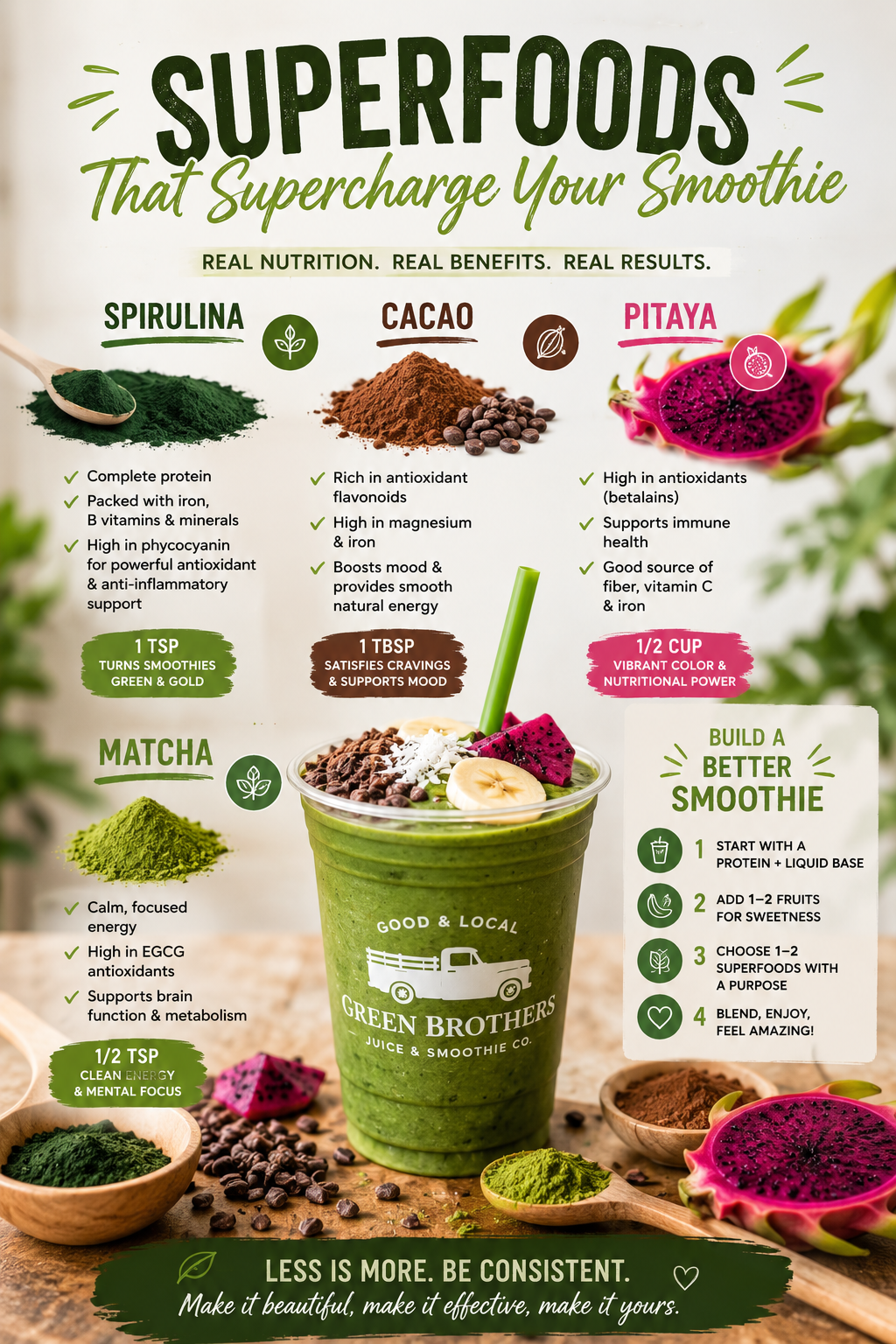
"Superfood" is one of the most used and most misunderstood words in modern nutrition. Every brand slaps it on their packaging, and it can be genuinely hard to know what's worth your money and attention versus what's pure marketing. Let's cut through the noise. Here's a practical, honest guide to the best superfoods for smoothies, what they actually do, and how to use them effectively.
What Are Superfoods, Really?
The term "superfood" isn't a scientific classification, it's a functional descriptor for foods that deliver an unusually high concentration of nutrients relative to their calorie count. True superfoods are exceptional sources of antioxidants, anti-inflammatory compounds, vitamins, minerals, essential fatty acids, or bioactive compounds that have measurable positive effects on human health. The best superfoods to add to smoothies are the ones where the nutritional return on investment is exceptionally high, a small amount delivering meaningful results. Here's what's actually worth your time.
Spirulina: The Most Nutrient-Dense Food on Earth
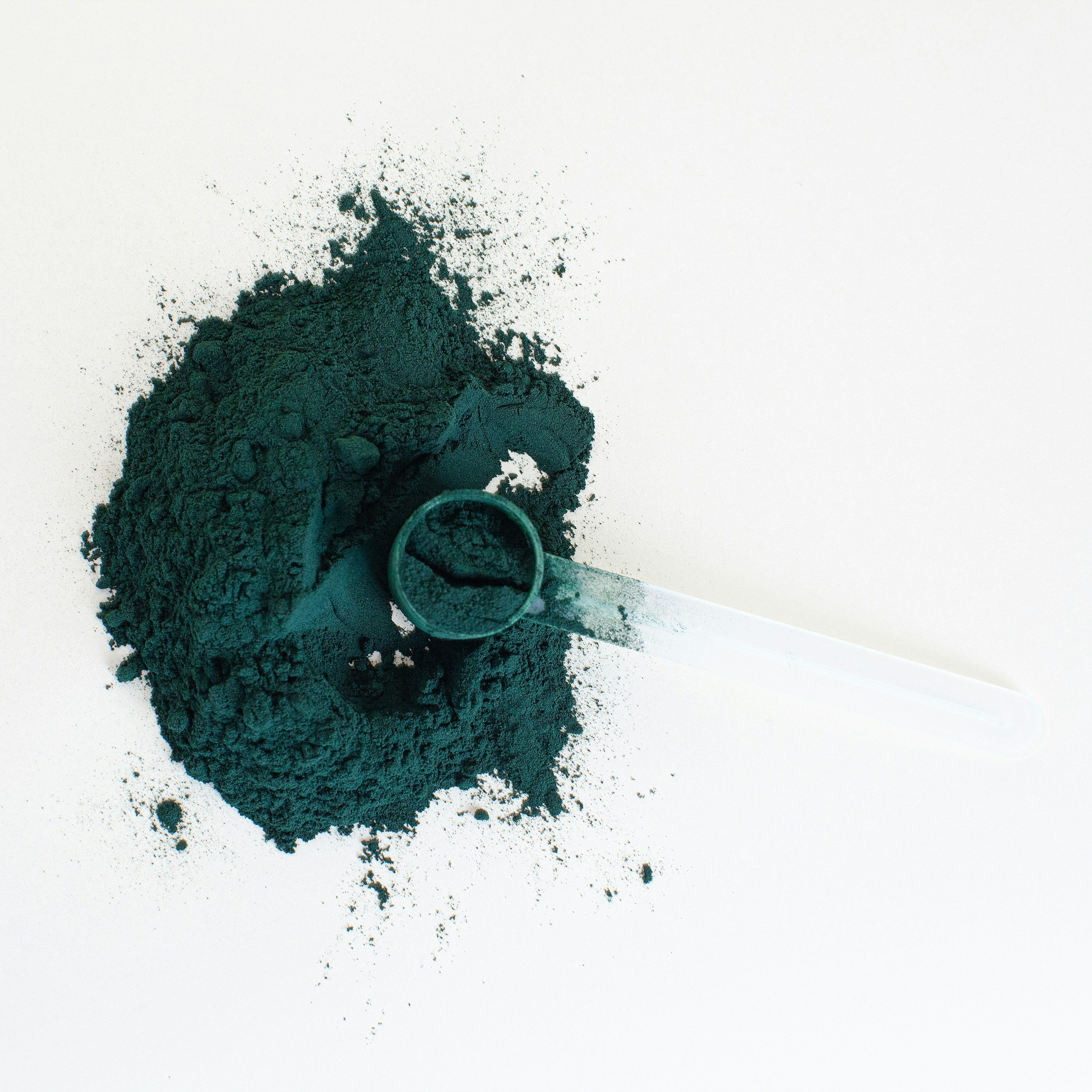
Spirulina smoothie benefits are almost hard to believe until you look at the data. This blue-green algae is gram-for-gram one of the most nutrient-dense substances ever studied. Just one teaspoon contains 4 grams of complete protein (with all essential amino acids), plus significant quantities of iron, B vitamins, copper, and potassium. Spirulina is exceptionally rich in phycocyanin- an antioxidant unique to blue-green algae with powerful anti-inflammatory and antioxidant properties. Add one teaspoon to any smoothie, it turns the color deep green and adds a mild savory note that pairs beautifully with tropical fruits like mango and pineapple.
Cacao: The Chocolate That's Actually Good for You
Raw cacao (not to be confused with processed cocoa powder) is one of the richest food sources of antioxidant flavonoids in the world, surpassing even blueberries and red wine. Cacao is loaded with magnesium (the most common mineral deficiency in adults), iron, and theobromine- a mild, long-lasting stimulant that provides smooth energy without caffeine's anxiety or crash. It also triggers the release of feel-good neurotransmitters including serotonin and phenylethylamine. Add a tablespoon of raw cacao powder to any smoothie for chocolate flavor that comes with a legitimate nutritional payoff.
Pitaya (Dragon Fruit), Matcha, and Other Rising Superfoods
Pitaya, or dragon fruit, has become one of the most visually stunning and nutritionally impressive superfoods for smoothies. Its vivid magenta color comes from betalains- a class of antioxidants with anti-inflammatory and liver-protective properties. It's also high in fiber, vitamin C, and iron. Matcha, finely ground green tea leaves, delivers a unique combination of caffeine and L-theanine that produces focused, calm energy without jitters. It's also exceptionally rich in EGCG, the most potent catechin antioxidant found in green tea. Both make extraordinary superfood smoothie recipe additions for their taste, color, and nutritional potency.
How to Build a Superfood Smoothie That Works
The secret to a great superfood smoothie recipe is layering intentionally rather than adding everything at once. Start with your protein source and liquid base. Add one or two fruits for natural sweetness. Then choose one to two targeted superfoods based on your specific goal, spirulina for nutrition density, cacao for antioxidants and mood, maca for energy, turmeric for inflammation, pitaya for color and antioxidants. Less is more at first- learn how your body responds to each addition before stacking them all. The best smoothie is the one you make consistently. Make it beautiful, make it effective, and make it yours.